

Summary
The dominant hiring trends in 2026 are:
AI fluency
Radical transparency
AI-powered candidate review
Senior-first hiring
Flexible work models
Skills over degrees
Mental health & wellbeing focus
Outstaffing adoption growth
Data-driven hiring
Employee advocacy as a trust driver
Hiring became faster, more technical, and more outcome-driven than ever. Companies are under pressure to hire experienced talent quickly while keeping quality high and costs under control.
Here are the hiring trends in 2026 you need to know to stay ahead.

Struggling to keep up with hiring trends?
FatCat Remote works with companies building real products, and our hiring managers are happy to offer a free consultation to discuss any questions you have about the latest hiring trends.
#1 AI Fluency
AI fluency is now a standard expectation in technical hiring. In fact, 74% of professionals already use AI at work, making practical AI experience part of the baseline for many roles.
Companies are actively prioritizing candidates who know how to work alongside AI in real production environments. It’s no longer enough to generate code quickly. Hiring managers are looking for engineers who can use AI while still owning architecture, logic, and quality.
This shift is changing how talent is evaluated. Candidates who understand when to rely on AI and when to step in with experience stand out. Founders increasingly favor professionals who start with clear specifications, use AI for execution and analysis, and apply human judgment as complexity increases.
AI accelerates delivery, but experienced engineers keep systems stable. As a result, companies are hiring for responsible AI usage, not just tool familiarity.
#2 Radical Transparency
What started as salary disclosure laws in some countries is quickly turning into standard practice everywhere.
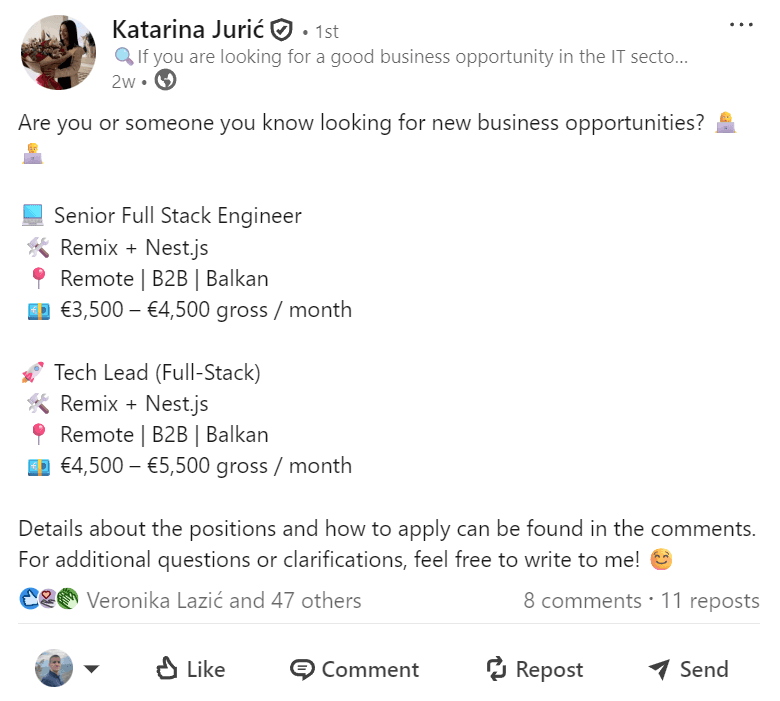
Candidates increasingly expect companies to be upfront about compensation, role expectations, tech stack, and hiring timelines. Clear job posts attract better-fit applicants and reduce wasted interview cycles. Publishing salary ranges alone filters out misaligned candidates early and increases offer acceptance rates later.
Transparency now goes beyond pay. Companies that clearly communicate workload, remote policies, and growth expectations see faster hiring and lower drop-off across the funnel.
For founders and recruiters, this shift removes friction from the process. Fewer surprises, shorter hiring cycles, and stronger trust from day one.
#3 AI-Powered Candidate Review
AI is now part of both sides of the hiring process.
Candidates use it to apply faster and tailor applications, while hiring managers use it to review profiles, shortlist candidates, and move through pipelines more quickly. According to insights from Ipsos, half of HR executives see the most value in AI tools that match, screen, and rank applicants.
On its own, this is not a bad thing. The problem starts when speed replaces judgment.
More applications do not automatically mean better candidates. Faster screening does not guarantee better decisions. Without clear criteria and human oversight, companies risk missing strong talent or moving forward with people who look good on paper but are not the right fit.
The companies getting this right use AI to reduce manual work and keep evaluation firmly human. AI helps handle volume, while people remain responsible for quality.
At FatCat Remote, AI supports the matching and screening process, but the final evaluation stays human. We use AI to help surface relevant experience and accelerate initial assessment, while experienced recruiters and engineers validate technical depth, communication, and long-term fit. The goal is not speed at any cost, but consistent hiring quality.

#4 Senior-First Hiring
Instead of expanding teams quickly with junior roles, hiring is increasingly centered around experienced professionals who can operate independently from day one.
This shift is driven by tighter budgets, faster product cycles, and growing technical complexity. Senior candidates bring immediate productivity, clearer communication, and stronger ownership, which reduces ramp-up time and coordination overhead.
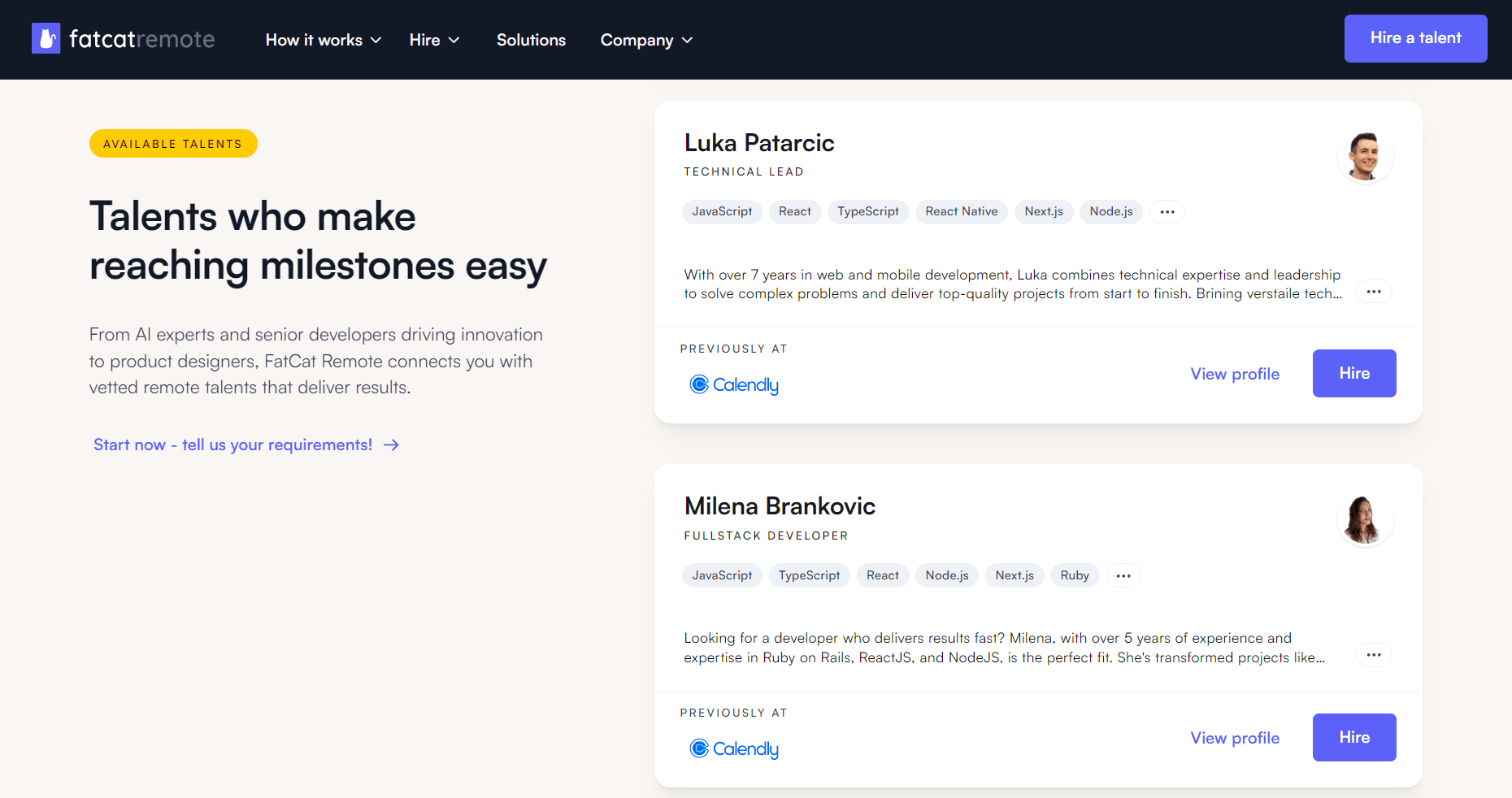
The trend is also connected to AI adoption. As AI accelerates execution, experience becomes more valuable. Senior professionals are better positioned to review AI-generated output, manage trade-offs, and keep systems maintainable as products evolve.
#5 Flexible Work Models
Fully remote hiring has cooled slightly compared to the peak years of 2024 and 2025, but it remains far above pre-2020 levels. Hybrid setups and structured remote arrangements are becoming more common as companies look for a balance between flexibility and coordination.
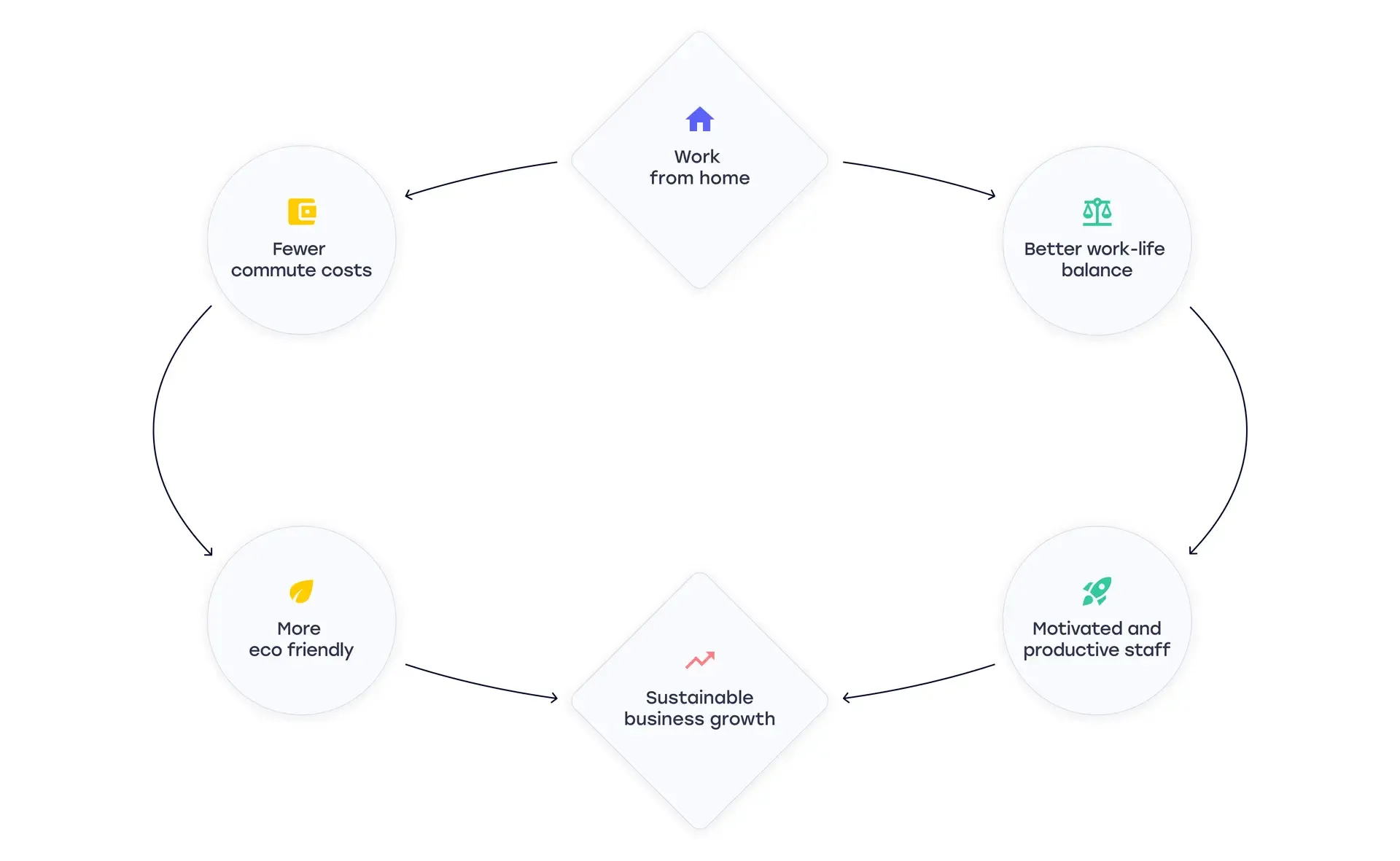
Rather than treating work location as binary, many companies now mix models based on role, geography, and operational needs. Some positions remain fully remote, while others shift toward office or hybrid formats. At the same time, flexibility remains a major factor for candidates, with reduced commuting, improved work-life balance, and environmental impact influencing hiring decisions.
Still, when the priority is reliable delivery and alignment with company processes, remote hiring often remains the most practical option, especially for startups that need flexibility without sacrificing quality. That’s also a reason why many decide to hire in growing talent markets, such as Eastern Europe.

Hire remote talent, without the hiring chaos
FatCat Remote connects companies with vetted senior talent who integrate into existing workflows and deliver consistently, regardless of location.
#6 Skills Over Degrees
Hiring decisions are increasingly driven by what candidates can actually do, not by formal credentials. Degrees still matter in some contexts, but they are no longer the primary signal of capability, especially in technical roles.

According to TestGorilla’s State of Skills-Based Hiring 2025 report, 53% of employers have removed degree requirements, up from 30% in 2024, highlighting a clear shift toward skills-first hiring.
Companies are paying closer attention to portfolios, real-world experience, and practical problem-solving. Coding projects, past product work, and hands-on assessments now carry more weight than academic background alone.
This shift reflects how fast technology changes. Skills evolve quicker than curricula, and founders want proof of execution, not just qualifications on paper. As a result, hiring processes are becoming more outcome-focused, prioritizing demonstrated ability over traditional career paths.
#7 Mental Health & Wellbeing Focus
Mental health and wellbeing are becoming visible hiring factors, especially in technical roles where pressure and burnout are common. Companies are paying closer attention to how people actually experience their work, not just what they produce.
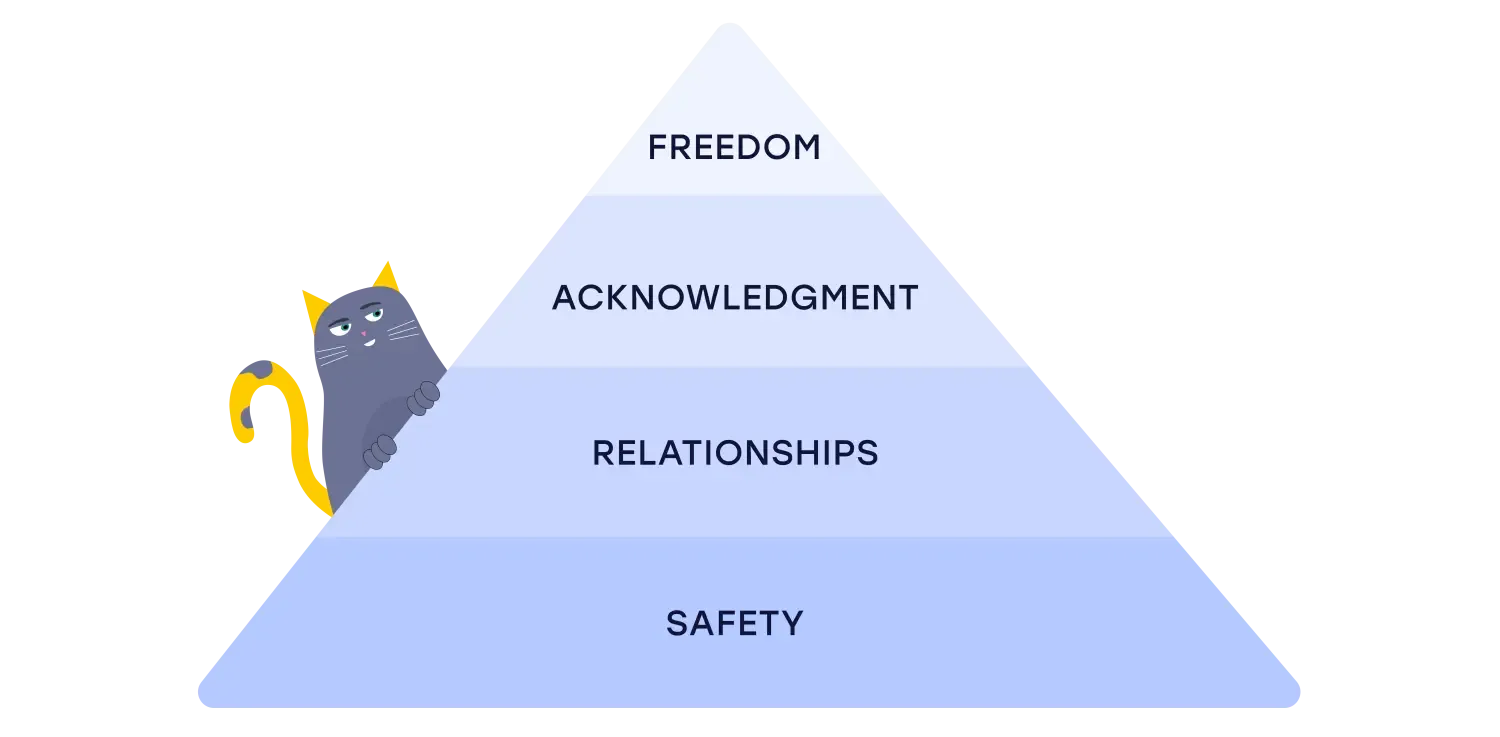
Many organizations now focus on giving people freedom in how they work, acknowledging individual contributions, supporting healthy relationships, and creating psychological safety. Together, these shape whether employees feel motivated, supported, and able to perform sustainably over time.
Rather than being treated as perks, these elements increasingly influence where experienced professionals choose to work. Mental health and wellbeing are becoming part of employer positioning, reflecting a broader shift toward building environments where people can grow without constant exhaustion.
#8 Outstaffing Adoption Grows
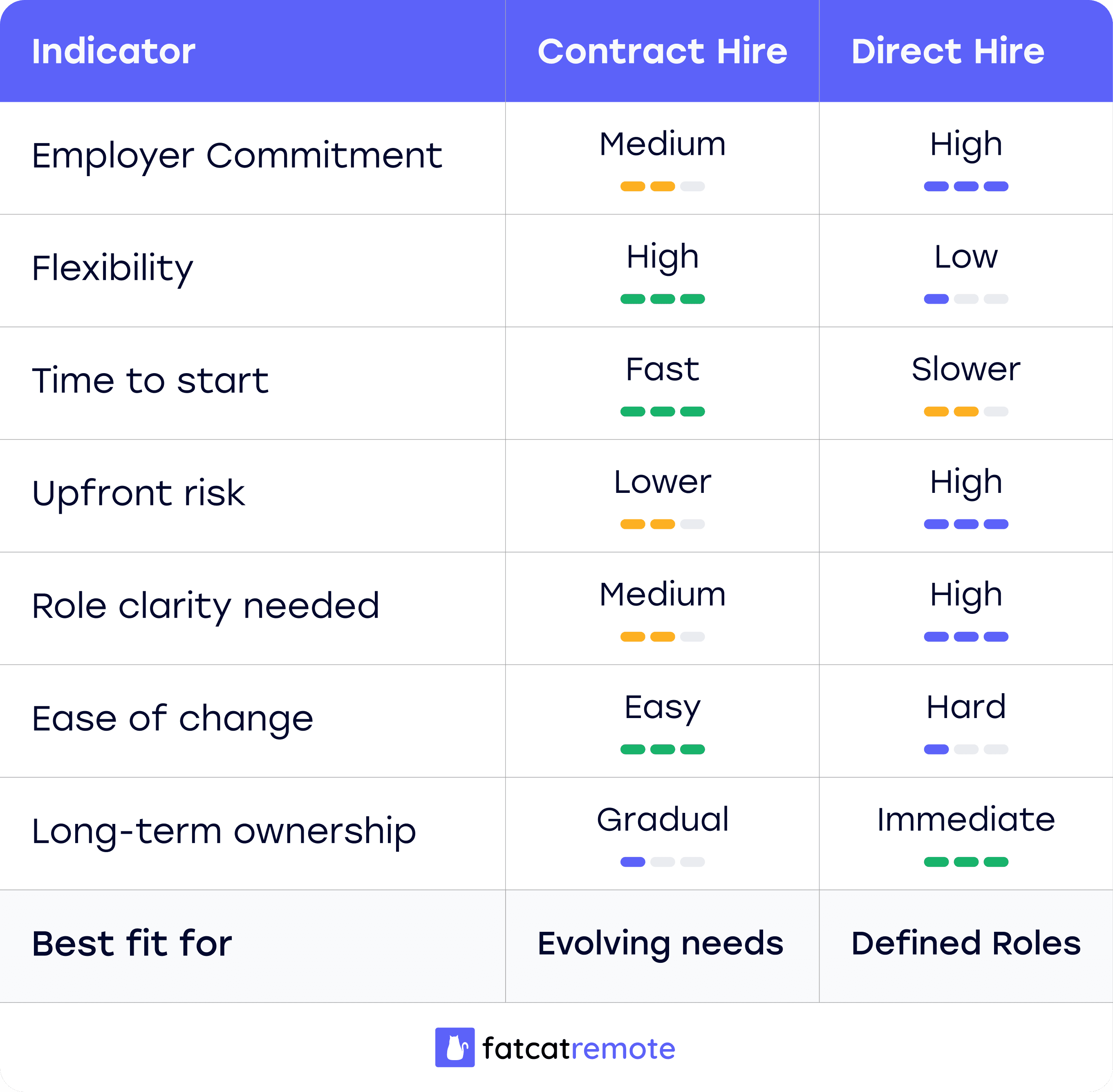
In 2026, outstaffing is no longer treated as a temporary workaround. It has become a standard hiring model for companies that need to move fast without locking themselves into long-term commitments too early.
More startups and growing companies are choosing contract-based specialists over traditional full-time hires, especially in technical roles. Product roadmaps shift quickly, funding cycles are unpredictable, and companies want the freedom to adjust capacity without carrying permanent overhead.
Outstaffing supports that reality. It allows faster onboarding, reduces upfront risk, and makes it easier to adapt as priorities change. It also opens access to global talent, helping companies bring in experienced talent exactly when they’re needed instead of spending months filling permanent positions.
Rather than building large internal teams by default, many now prioritize delivery and flexibility first. Outstaffing through contract hiring fits naturally into that mindset, giving businesses room to validate ideas, ship faster, and grow without overcommitting too early.
#9 Data-Driven Hiring
Companies are paying closer attention to metrics like cost per hire, time to hire, candidate conversion rates, and performance after onboarding. What used to live in spreadsheets or HR dashboards is now part of everyday hiring conversations, especially in fast-moving tech companies.
This shift is driven by pressure to hire efficiently while keeping quality high. With tighter budgets and more competition for senior talent, companies want visibility into what actually works. They track which channels bring strong candidates, how long roles stay open, and where bottlenecks slow things down.
Data-driven hiring also brings more accountability into the process. Recruiters and founders can clearly see what’s performing and what isn’t, making it easier to adjust strategy in real time instead of reacting after months of slow progress.
When hiring for a startup, the bottom-line metric, such as cost per hire for software engineers, is often in focus. It gives you a clear picture of how efficient your recruiting process really is and where time or budget may be leaking.
#10 Employee Advocacy Drives Trust
Trust is built by people, not polished branding.
Engineers and recruiters who openly share what they work on create credibility that companies can’t manufacture. Candidates increasingly rely on real posts, real conversations, and visible employee activity before deciding where to apply.
For founders and recruiters, employee advocacy is no longer optional. It strengthens the employer brand, improves candidate quality, and builds trust with clients at the same time.

Ready to hire?
Skip the hiring noise. Get access to vetted senior IT talent and start building faster with FatCat Remote.
Conclusion
Hiring trends in 2026 are shaped around AI fluency, senior-first talent strategies, flexible work models, and data-driven decisions. Companies that adapt to these shifts move faster, hire better, and build stronger teams. The common thread across every trend is clarity: clear expectations, clear processes, and clear ownership of results. The companies that win in 2026 won’t just follow hiring trends. They’ll use them to build reliable, scalable teams that actually deliver.
Share this article: